Building trust in the transport ecosystem
Bringing together 26 organisations to turn a shared transport safety challenge into industry-wide recommendations presented to 10 Downing Street.
Client: Cubic Transportation Systems
Role: Regional Marketing Manager, EMEA
Location: United Kingdom
Key stakeholders: 26 transport organisations, including Parliamentary Advisory Council for Transport Safety (PACTS), Women in Transport, transport operators, policing partners, industry bodies, policymakers and frontline staff.
The Challenge
Public transport safety is an issue that no single organisation can solve.
Violence and aggression towards transport workers, concerns about passenger safety, and fragmented reporting and intelligence create challenges across the entire transport ecosystem. Yet the organisations best placed to address these issues often operate in separate silos.
For Cubic, this presented an opportunity to do something beyond promoting its technology and solutions.
As a major technology provider to public transport networks, Cubic had a credible role to play in bringing the industry together, facilitating meaningful discussion and helping shape the conversation around safer journeys.
The opportunity was to build trust, strengthen relationships with influential industry stakeholders and establish Cubic as a constructive voice in a conversation that matters to the entire sector.
The strategy
I wanted to move beyond a traditional industry event and create a platform for genuine collaboration.
The thinking was straightforward: if we wanted to influence the future of transport safety, we needed to bring the right people into the same room, give them a reason to engage openly and ensure their contributions translated into something tangible.
That meant bringing together perspectives from across the ecosystem, rather than allowing the conversation to be dominated by any one organisation or commercial agenda.
I developed and drove the initiative around three priorities:
1. Bring the ecosystem together
Create a credible, neutral-feeling platform where transport operators, government representatives, policing partners, industry bodies, unions, passenger groups and frontline professionals could share experiences and challenges.
2. Turn discussion into action
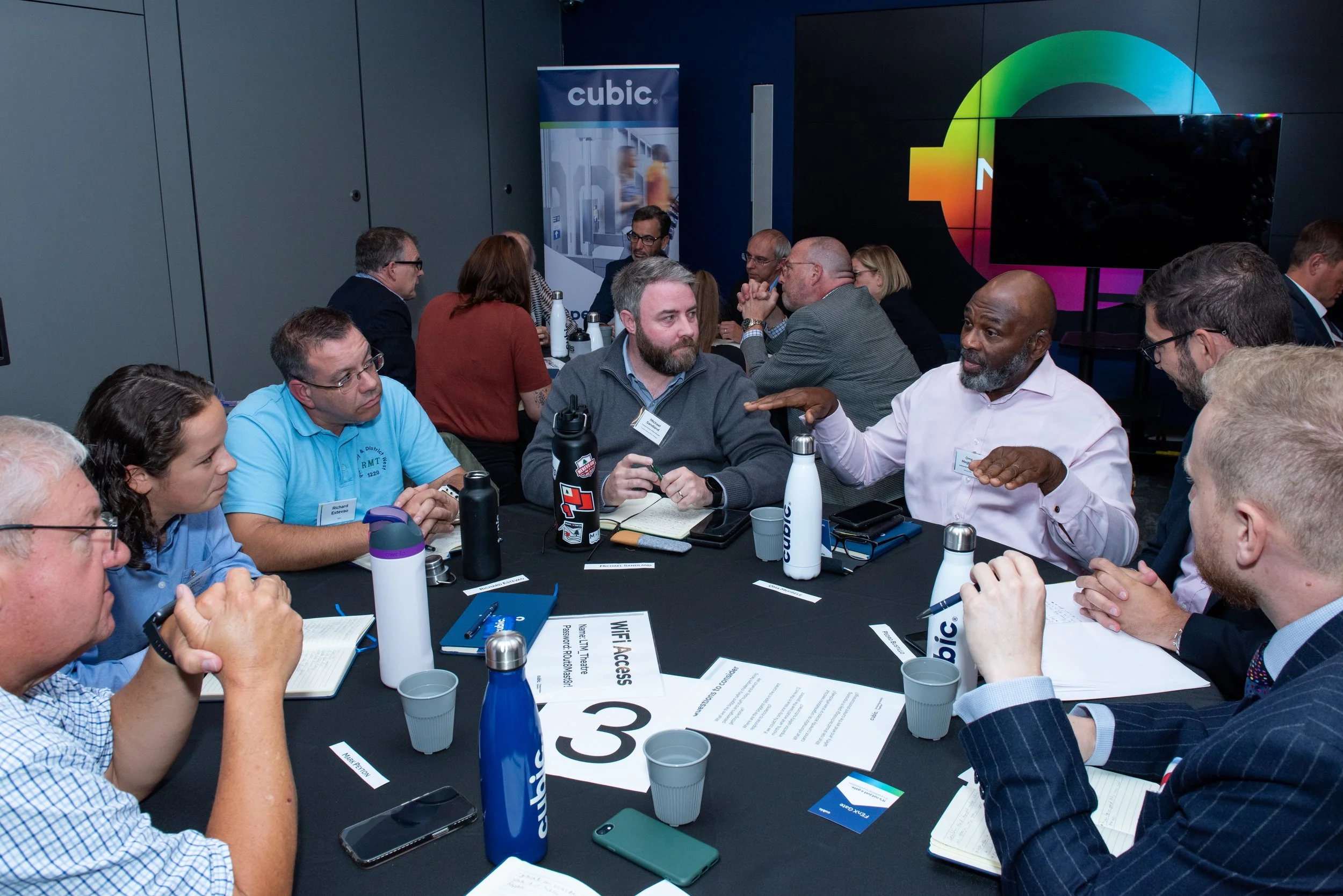
Move beyond awareness and talking points. Use structured roundtable discussions to identify common problems, explore opportunities for collaboration and develop practical recommendations for change.
3. Take the conversation to Government
Ensure the outcomes reached the people with the influence to make change happen. Work with established industry organisations to give the recommendations credibility and a route into the wider policy conversation.
The Execution
The Transport Safety Summit
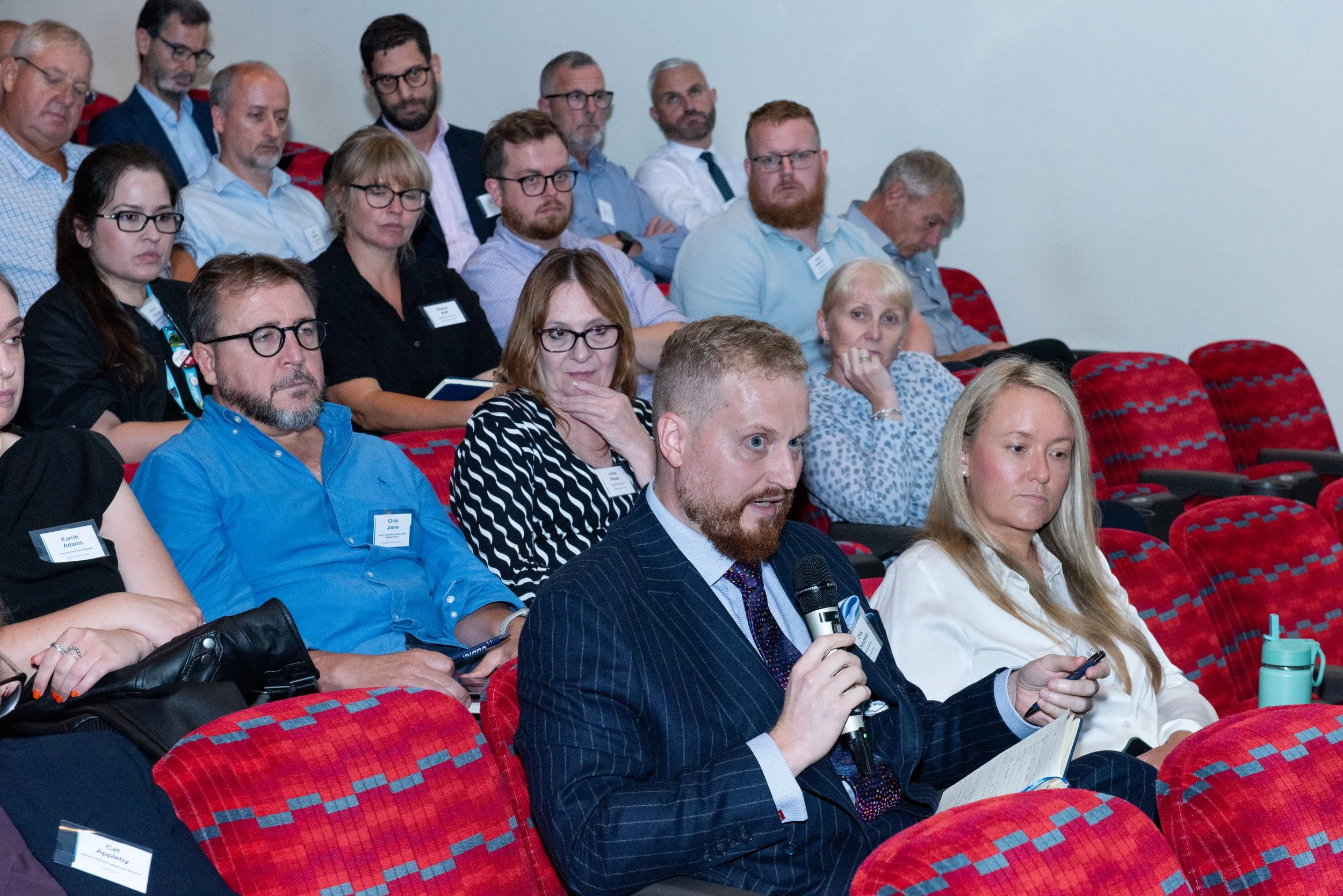
On 8 September 2026, Cubic hosted the Transport Safety Summit at the London Transport Museum.
I brought together senior representatives from 26 organisations spanning the public transport ecosystem, including train operators, police, policymakers, unions, industry associations and frontline staff.
Working alongside partners including the Parliamentary Advisory Council for Transport Safety (PACTS), Women in Transport, ITS UK and Campaign for Better Transport, the summit created space for open discussion about the challenges affecting passengers and transport workers.
Facilitated roundtable discussions focused on the issues that needed collective attention, including:
Violence and aggression towards frontline transport staff.
Passenger confidence and women's safety.
Fragmented safety data, reporting and intelligence sharing.
The role of technology and AI in improving safety.
Greater accountability and coordination across the industry.
The objective was not simply to identify problems. It was to establish where the industry could work together to make a difference.
Government engagement
The summit was designed to be the beginning of a longer conversation, not a standalone event.
I drove the process of translating the discussions into a set of recommendations for Government, working with industry stakeholders to ensure that the resulting priorities reflected the breadth of perspectives in the room.
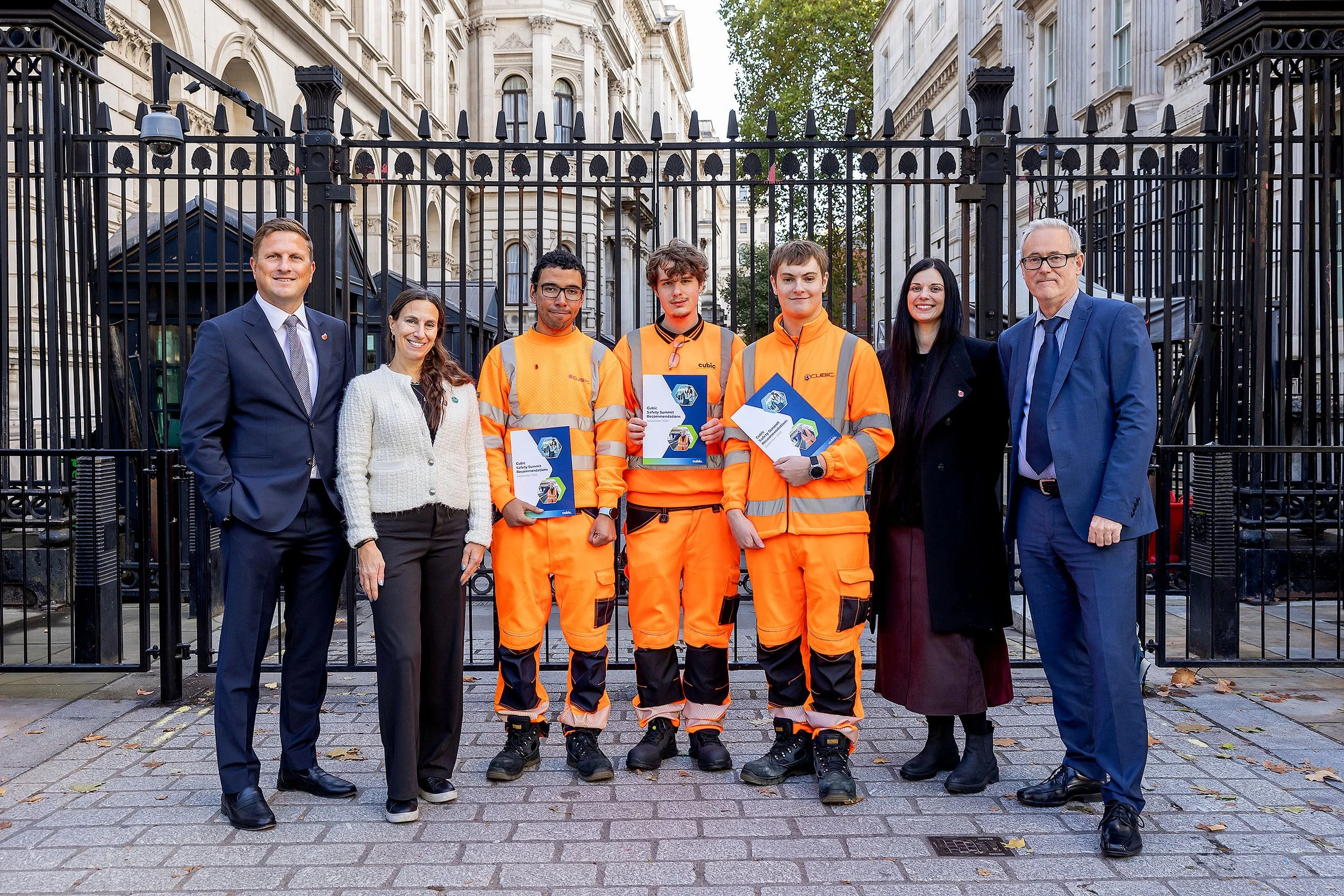
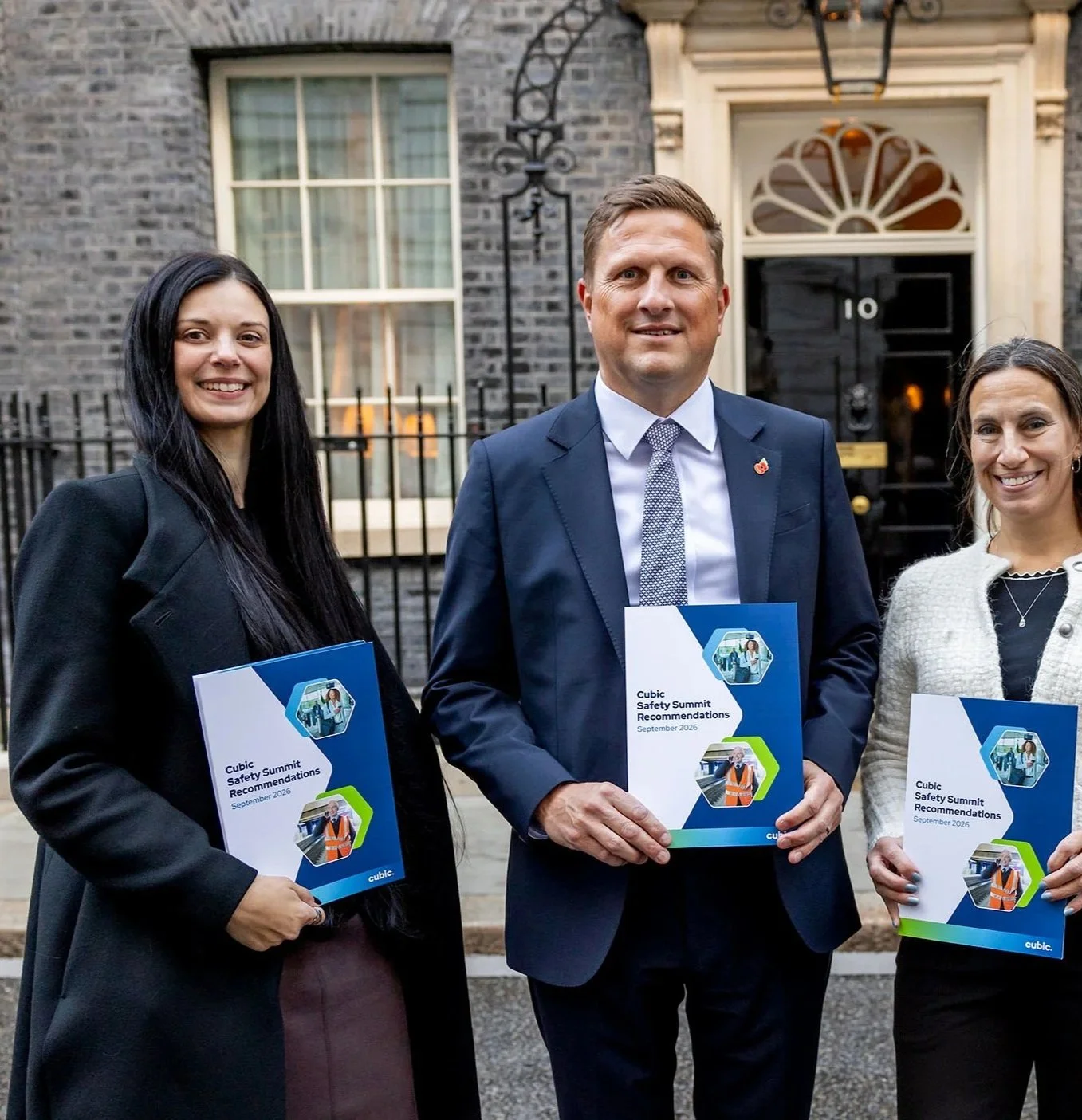
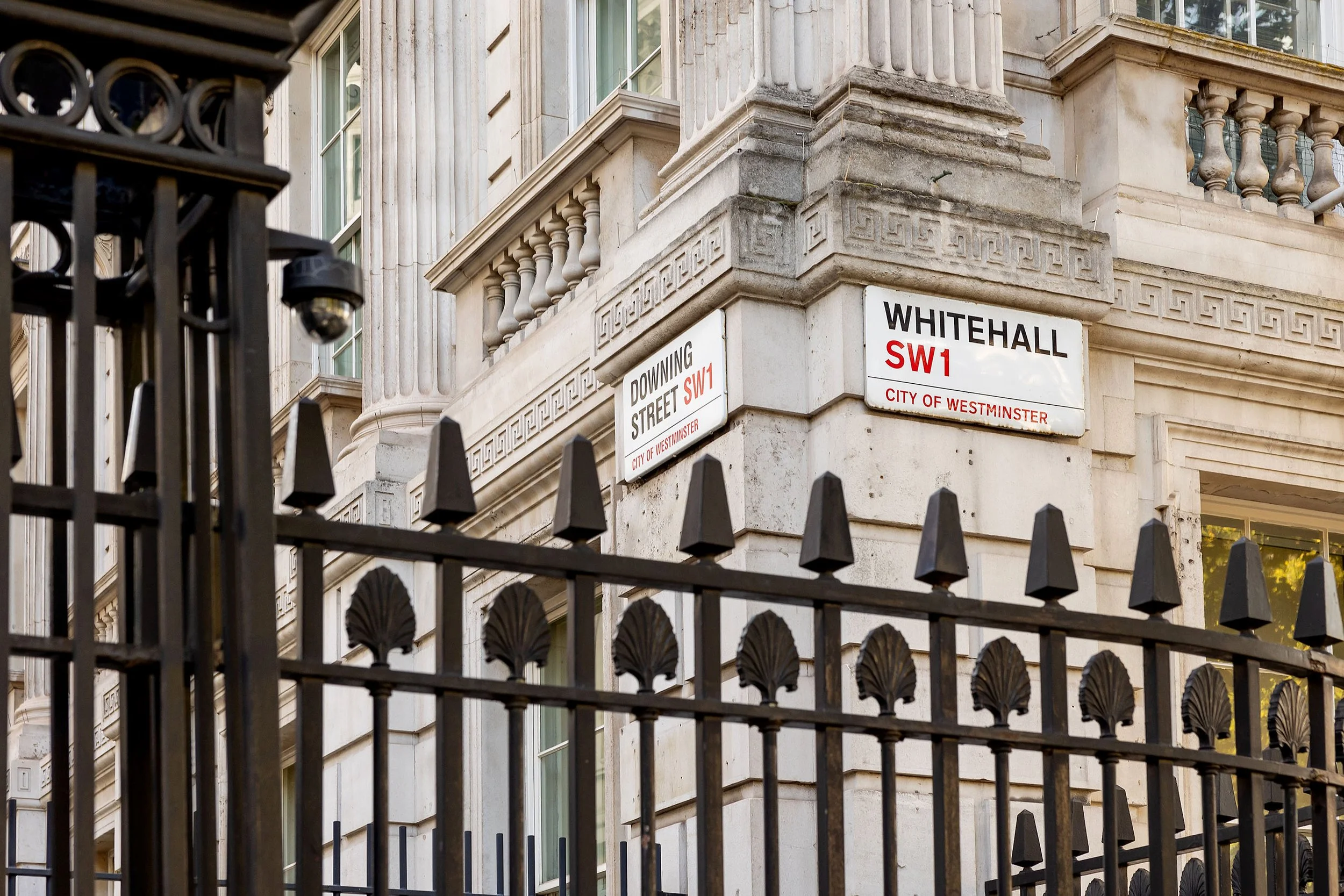
On 27 October 2026, those recommendations were presented to 10 Downing Street.
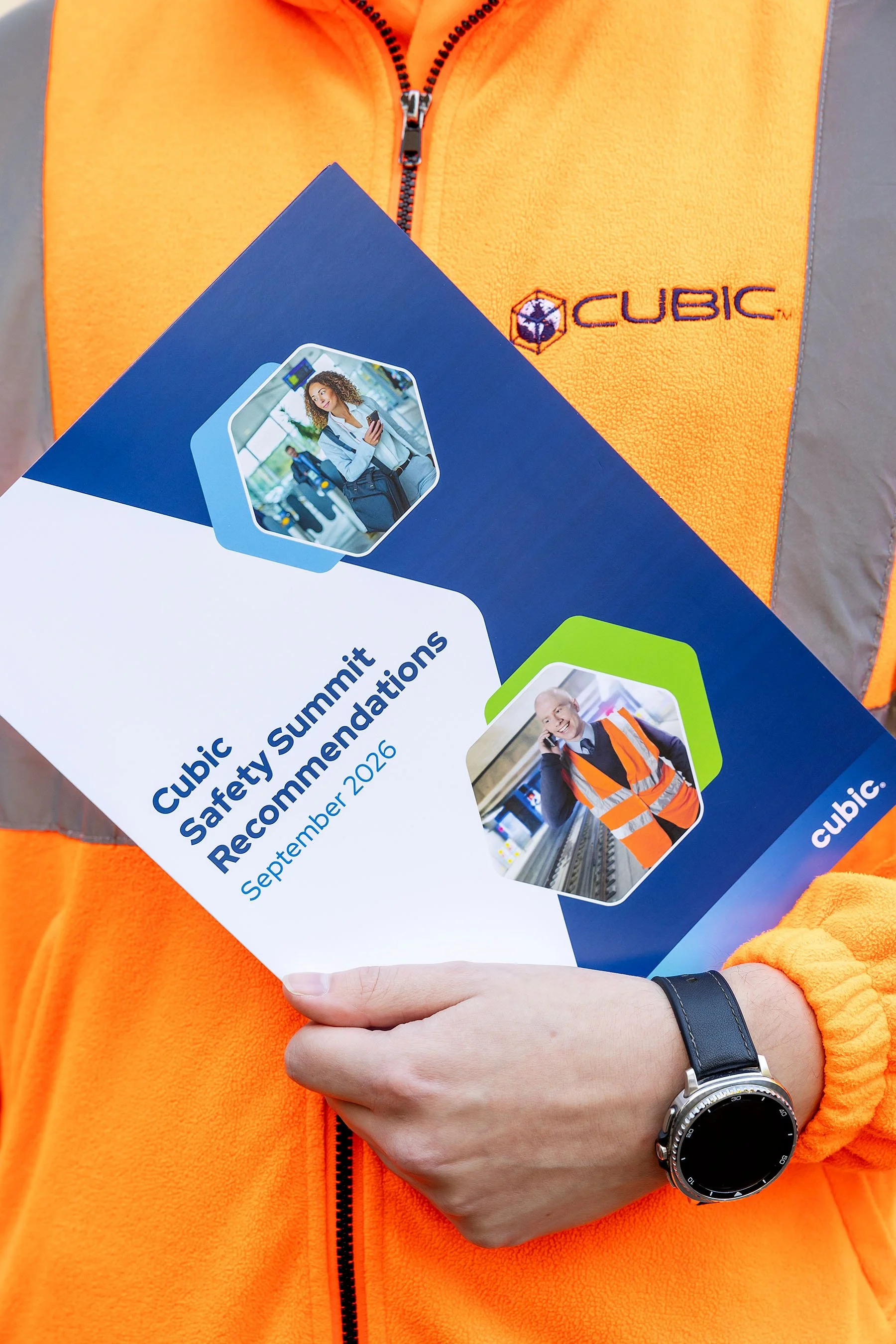
Cubic's Senior Vice President and Managing Director, Kevin Maslin, was joined by Jo Field OBE of Women in Transport, Jamie Hassall of PACTS and Cubic field service engineers.
The recommendations called for:
Government leadership and accountability: including a national transport safety strategy, clearer ministerial ownership and better sharing of safety data.
Consistent action from operators: improving reporting, escalation, physical safety, staff support and passenger education.
Long-term industry collaboration: establishing a common framework with measurable actions and clear ownership.
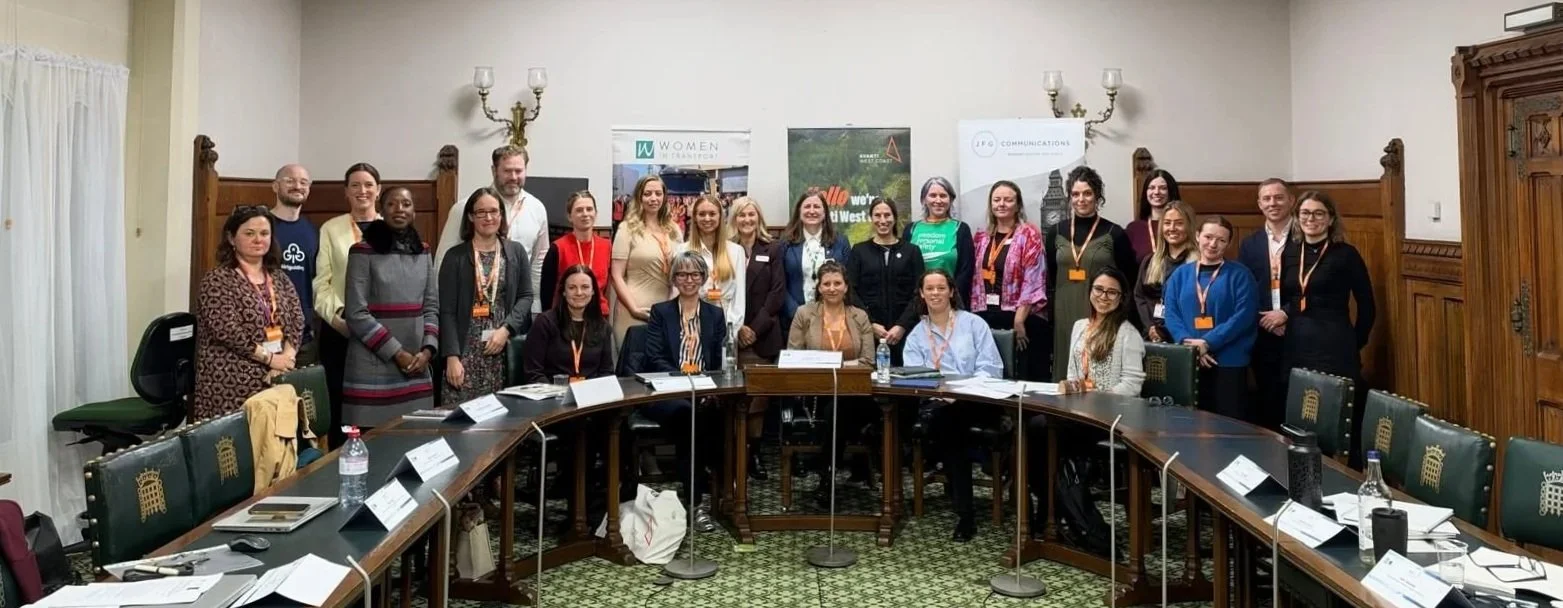
The summit's evidence also informed Cubic's contribution to the Transport Committee's inquiry into safer journeys for women and girls and I personally attended a roundtable in Parliament to continue the discussion with Women in Transport.
Photos: Emma Thomas, Kevin Maslin and Jo Field OBE outside Number 10 Downing Street presenting the Transport Safety Summit recommendations to the Prime Minister.
Women in Transport roundtable on safer journeys for women and girls, House of Commons, October 2026.
The initiative created an opportunity for Cubic to contribute to an important industry and public policy conversation, while strengthening relationships across the transport ecosystem.
26 organisations brought together to address shared transport safety challenges.
1 industry summit hosted at the London Transport Museum, creating a platform for cross-sector collaboration.
10 Downing Street presented with recommendations developed through industry discussion.
2 influential industry partners involved in taking the recommendations forward: PACTS and Women in Transport.
Further engagement planned through regional sessions and continued industry collaboration.
Beyond the immediate outputs, the initiative demonstrated how a technology provider can build credibility by contributing to the challenges its customers, partners and the wider public care about.
The Impact
The bigger picture
This project demonstrates what strategic marketing can achieve when it looks beyond campaigns, products and pipeline.
Marketing has a role in shaping conversations, building relationships and creating the conditions for change.
By bringing together organisations that might otherwise approach these challenges independently, we helped create a shared platform for action and gave frontline voices a route into conversations at the highest level.
And that's what building trust in the transport ecosystem looks like: not simply telling people you understand their challenges, bringing people together and doing something about it.
Emma Thomas Marketing Portfolio: Case study
STRATEGIC MARKETING · STAKEHOLDER ENGAGEMENT · PUBLIC AFFAIRS · INDUSTRY LEADERSHIP