Creating demand in an emerging mobility category
Building the marketing function, shaping the market proposition and generating demand for a new approach to workplace transport across the UK and launching into Germany.
Role: Head of Marketing and Communications
Business: RideTandem
Sector: Mobility technology / B2B2C
Markets: UK and Germany
Focus: Positioning, category education, demand generation, international expansion
The Challenge
When I joined RideTandem, the business was solving a very real problem: people were struggling to get to work because public transport was unavailable, unreliable or too expensive.
For employers, this created a recruitment and retention problem. For employees, it could mean missing out on work altogether.
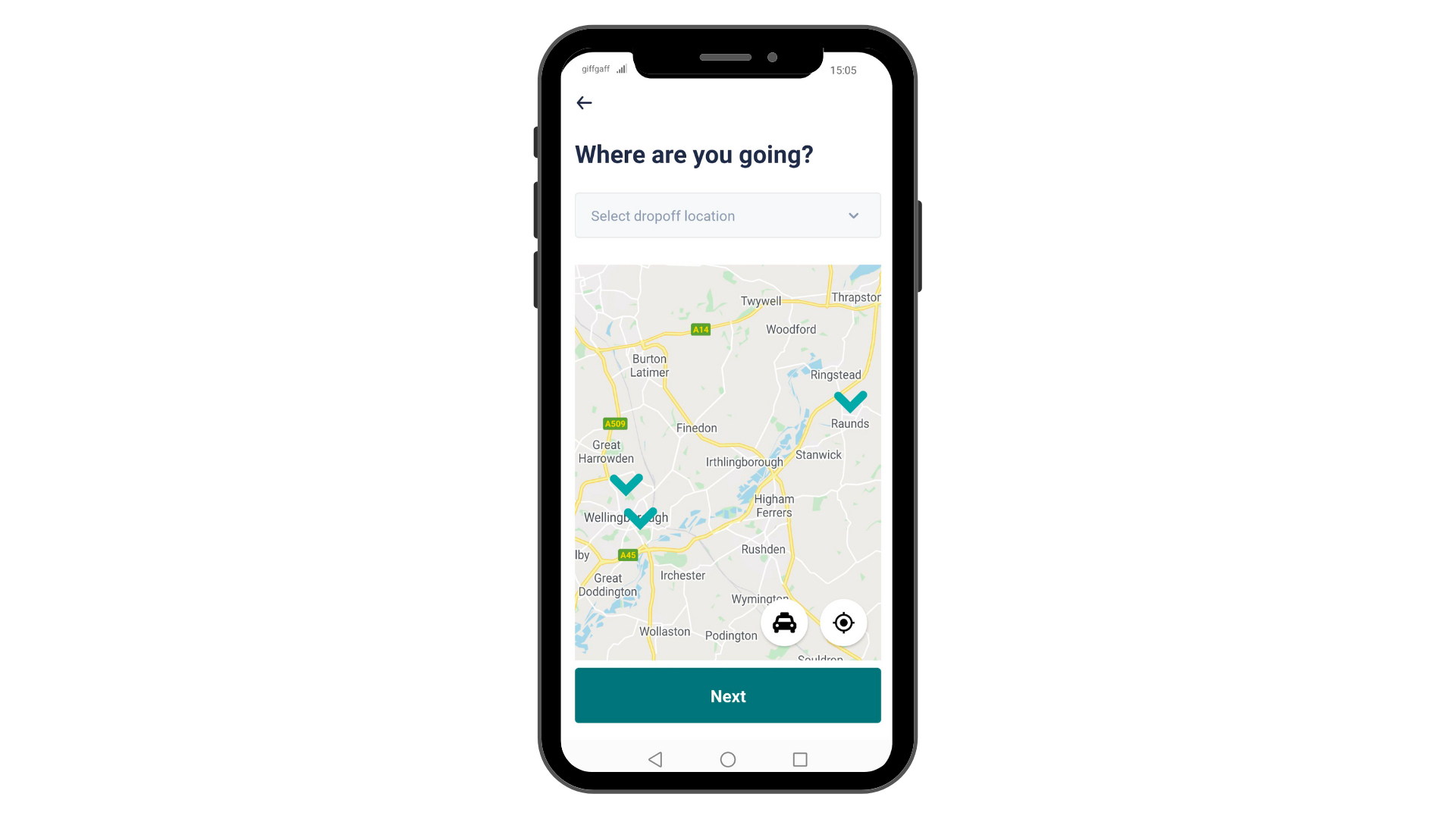
RideTandem offered a different solution. It partnered with local transport operators to create flexible, shared shuttle services, supported by app-based technology that allowed passengers to book and track journeys while giving businesses visibility of usage and performance.
The challenge was that this wasn't a particularly familiar proposition.
Workplace shuttles weren't a new concept, but a managed, technology-enabled service that connected employers, passengers and local transport providers was a different proposition to communicate.
We weren't simply competing with other transport providers. We needed to help the market understand why this approach was relevant in the first place.
At the same time, the business was expanding into Germany and needed a marketing function capable of supporting growth across two markets.
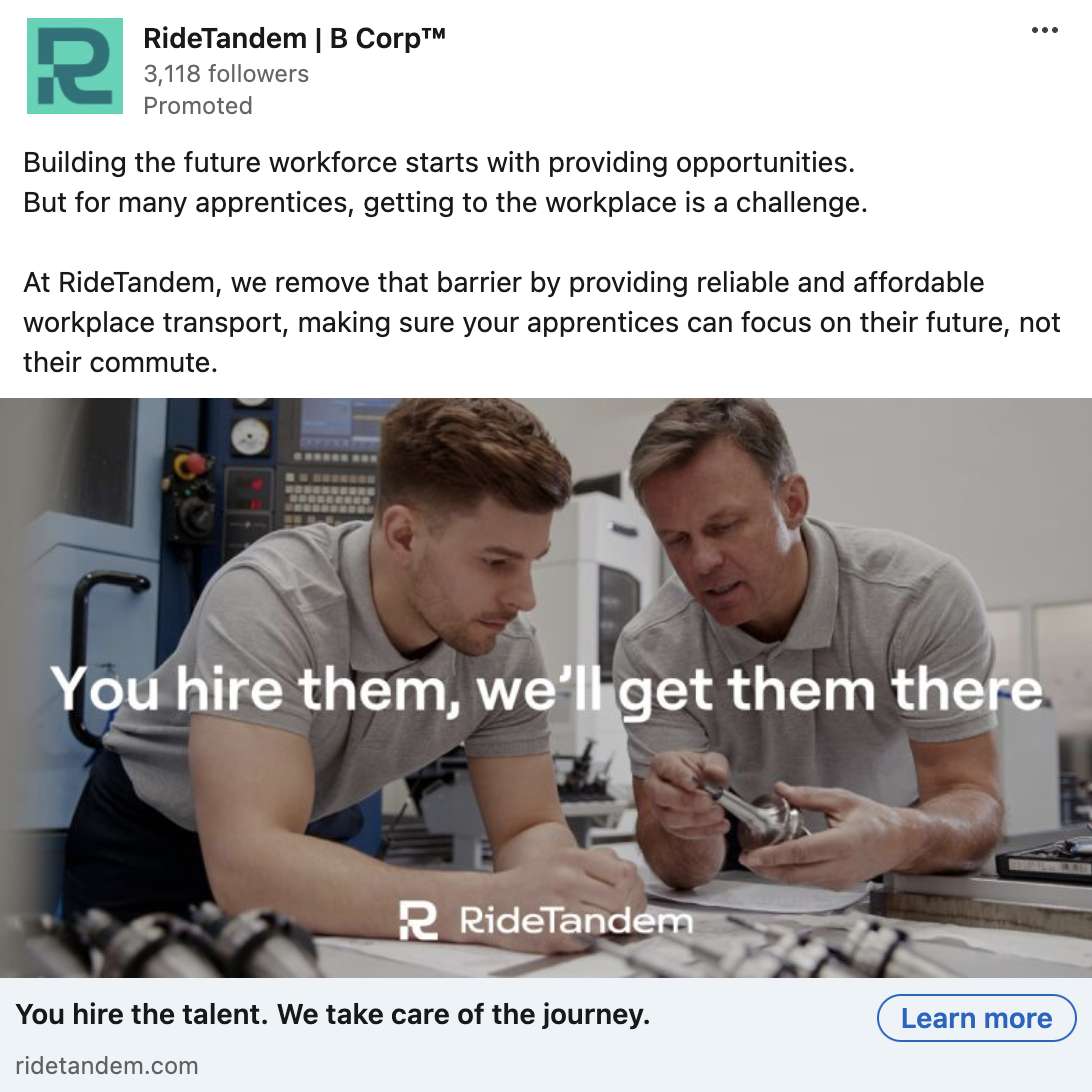
The RideTandem model: B2B2C
RideTandem is a B2B2C (business-to-business-to-consumer) mobility platform connecting employers with employees through technology-enabled, shared shuttle services. Employers gave access to the service as a workplace transport solution, while employees booked and used the service via an app.
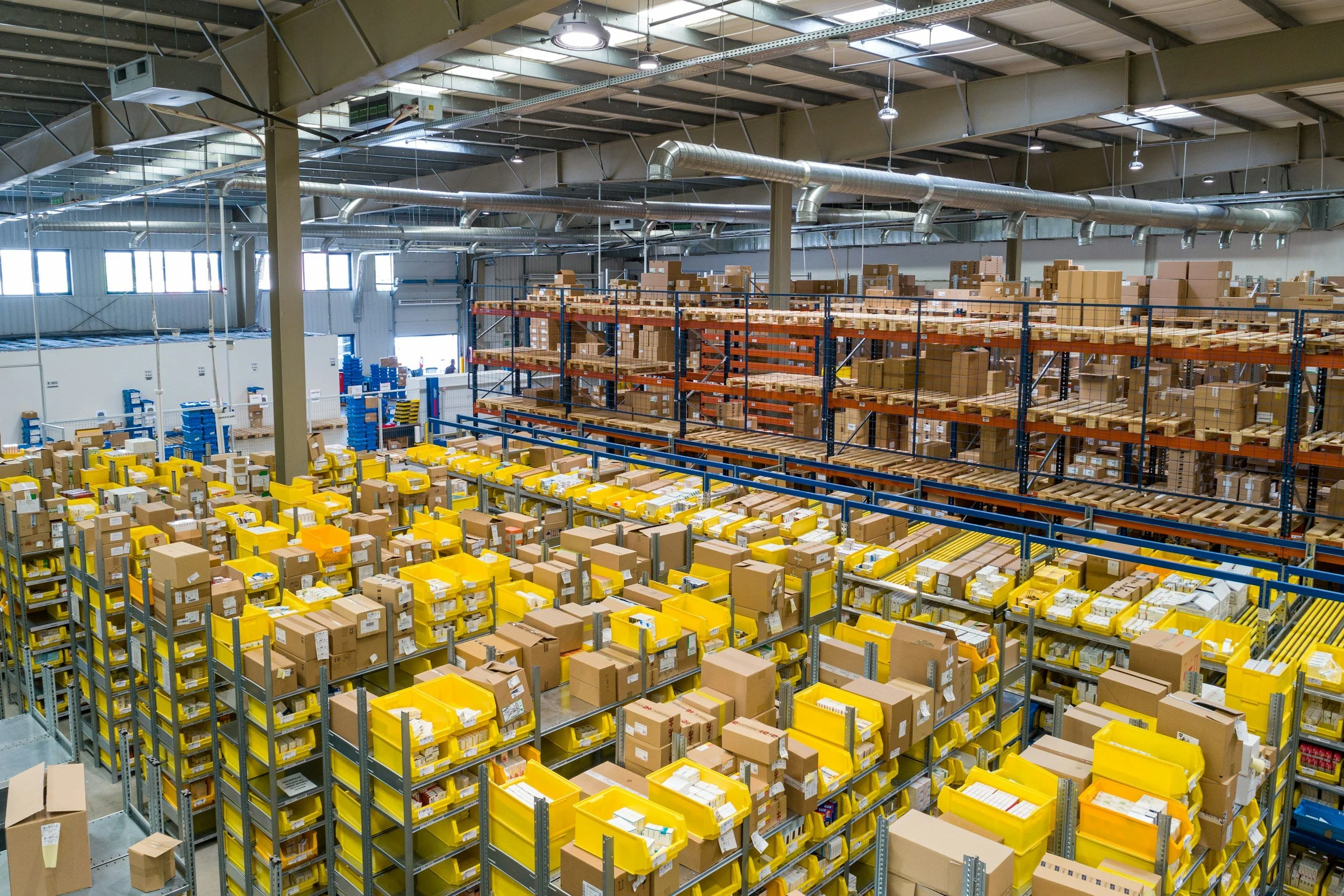
Businesses

Operators

Consumers
Understand the problem before selling the solution
My starting point was to get clear on what we were really selling, who needed it and why they would buy it.
There were two distinct audiences to consider:
Employers: Businesses needed to attract and retain people, particularly where sites were difficult to reach or shift patterns weren't served by public transport. Transport could be a significant barrier to recruitment, attendance and retention.
Passengers: Employees needed a reliable, affordable and straightforward way to get to work. The service had to feel convenient and trustworthy, not like another complicated part of their commute.
There was also a third audience: the transport operators providing the vehicles and services. The model depended on building a network of local partners rather than owning and operating a fleet.
This meant the marketing challenge wasn't just about generating awareness. It was about making a relatively unfamiliar model easy to understand, demonstrating its value to different audiences and giving the commercial team the tools to turn interest into opportunities.
Make the proposition relevant, clear and commercially compelling
I focused the marketing strategy around three priorities.
Make the problem tangible.
Rather than leading with shuttle buses or technology, we needed to communicate the problems the service solved: inaccessible workplaces, expensive commutes, recruitment challenges and the limitations of existing public transport. Adding a monetary figure to this, such as revenue lost due to unavailable employees, challenged the assumption that the status quo was a safe place for any business to operate.
Differentiate the model.
RideTandem isn’t a bus company. It’s a tech provider that combines local transport partnerships, proprietary technology and a fully managed service. I worked to make that distinction clear, showing how the technology and operational model created a better experience for both businesses, transport operators and passengers.
Build demand in two markets.
The UK and Germany required a consistent overall proposition, but marketing needed to reflect the realities of each market. I led go-to-market planning across both, working with the founders to support local market development and hiring a German-speaking marketer into my team to support execution.
Build the function and put the strategy into action
As RideTandem's first dedicated marketing leader, I built the marketing function from the ground up.
That meant establishing the foundations as well as delivering the activity: positioning, messaging, website and content, campaign planning, marketing processes and reporting.
Positioning and market education
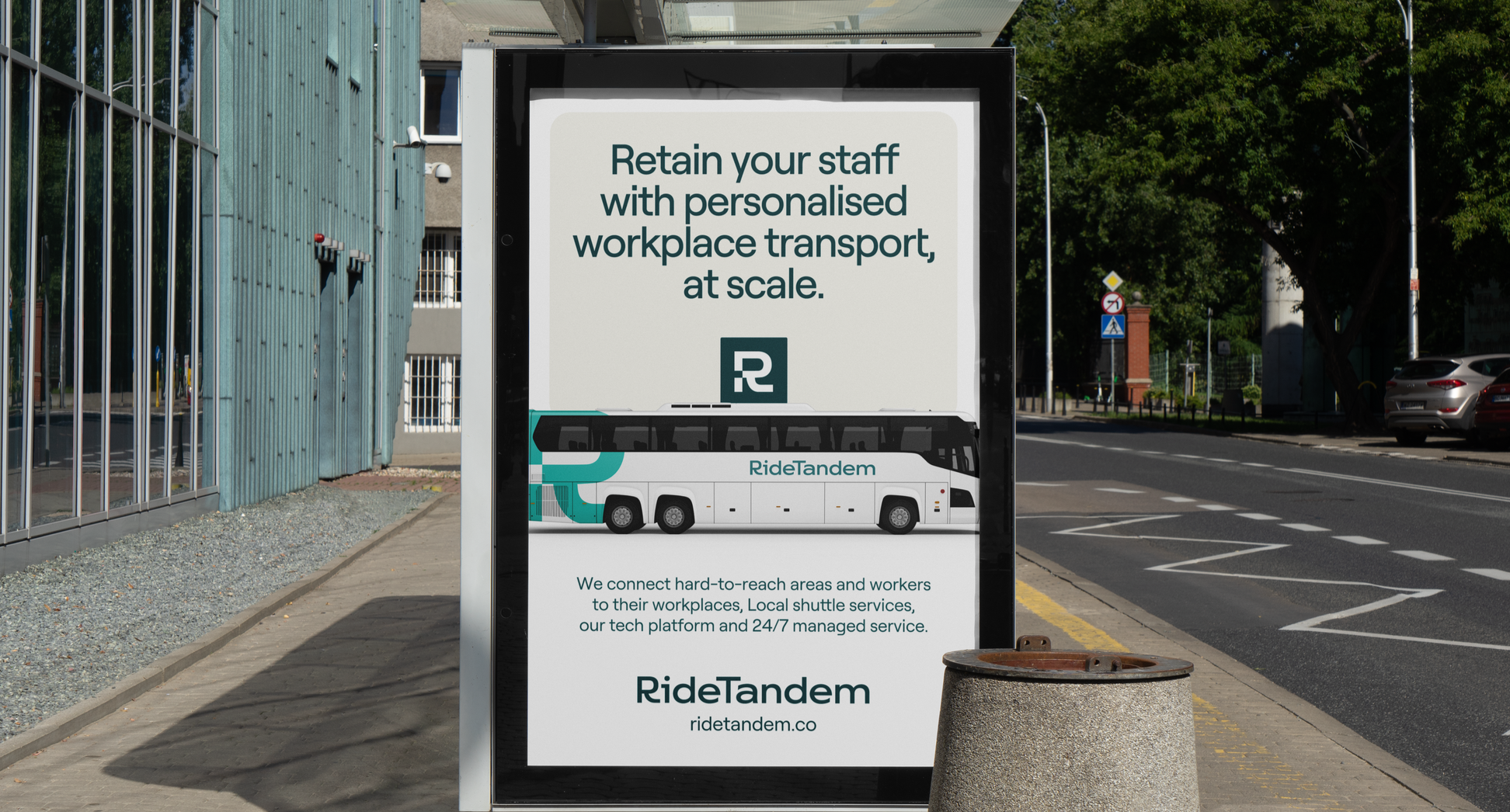
I developed messaging that explained the difference between a traditional shuttle service and RideTandem's technology-enabled model.
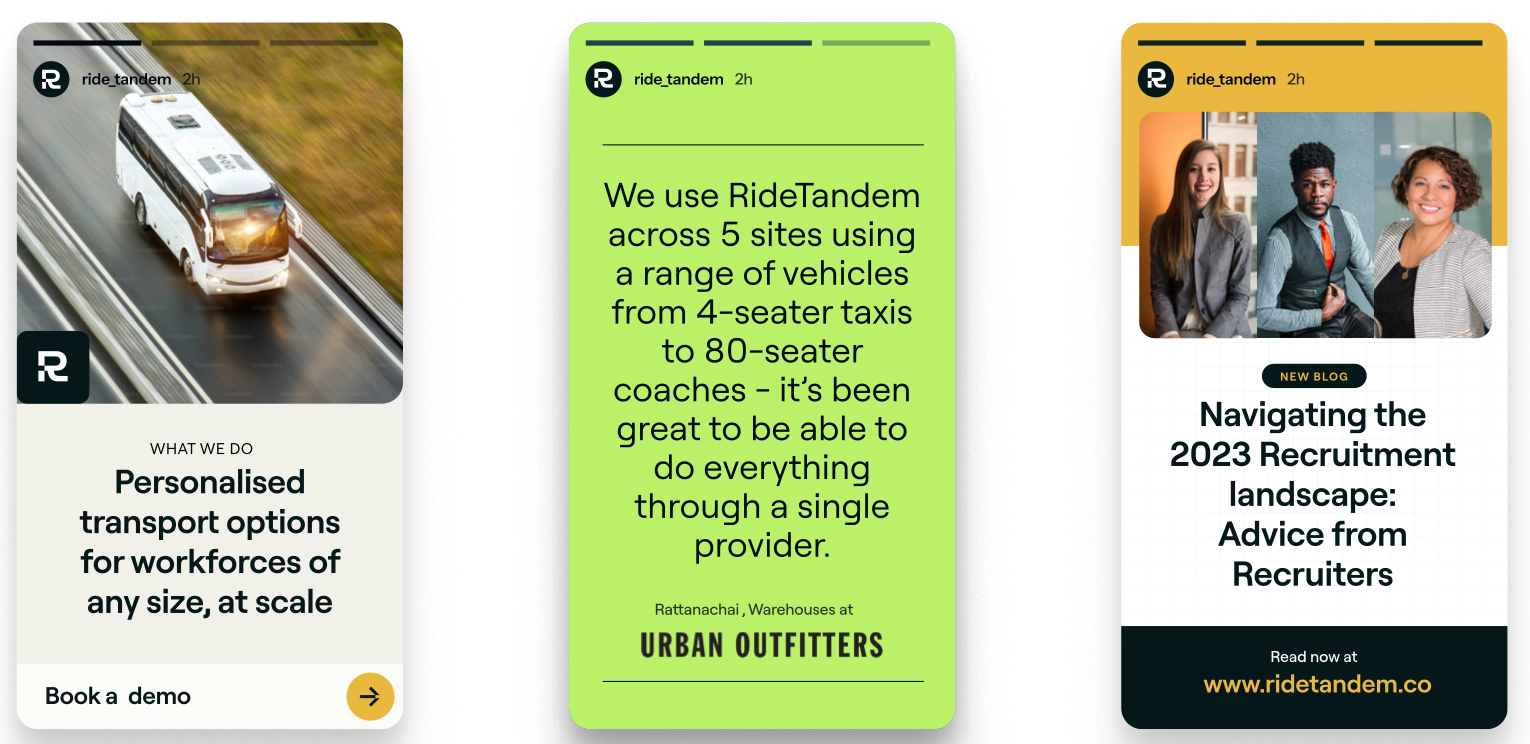
Content was an important part of this. I used educational articles, website content and thought leadership to explain how the service worked, why businesses needed it and what made the model different. We also achieved coverage in the media with coverage in The Sunday Times and founder interviews on LBC radio.
The aim was to move beyond describing features and help potential customers understand the commercial and human value of the service.
Building organic demand
I developed an organic search and content approach designed to reach people looking for solutions to workplace transport, commuting and employee accessibility challenges.
This helped build visibility for a proposition that wasn't necessarily being searched for under one established category name.
Creating the commercial process
Improved tracking of leads and opportunities as they moved through the sales funnel was key to understanding which activities were having the biggest impact and, crucially, where we were losing money on weak activity.
I worked closely with Sales and SDRs to connect marketing activity with the sales process.
This included developing prospecting playbooks, templates and sales enablement materials, helping the team communicate the proposition consistently and turn market interest into qualified opportunities.
The launch into Germany
I led go-to-market planning for Germany alongside the UK, adapting messaging and marketing activity to support the business's international expansion.
We hired a country lead to gather information, set up relationships and build our presence on the ground 6-8 months before the hard launch.
The focus was on taking a clear proposition into a new market while recognising that customer needs, buying considerations and market context are different.
The work helped establish marketing as a measurable contributor to commercial growth, while giving the business a stronger foundation for expansion.
0 to 14% marketing-sourced pipeline in three months, creating a measurable contribution to the sales pipeline.
70% increase in organic search in three months, improving visibility and discoverability for the business.
Marketing function built from scratch, establishing the positioning, content, campaigns, processes and sales enablement needed to support growth.
UK and German go-to-market strategy, developing the UK presence and launching the business into Germany.
The Impact
The bigger picture
Creating demand for an emerging category requires more than making people aware that a product exists.
It means understanding the problem customers are trying to solve, giving them a reason to think differently about the available options and making the value easy to understand.
At RideTandem, that meant connecting a very human problem, access to work, with a commercially compelling proposition for employers and a practical service for passengers.
Emma Thomas Marketing Portfolio: Case study
B2B2C MARKETING · MOBILITY TECHNOLOGY · MARKET ENTRY · POSITIONING · DEMAND GENERATION · INTERNATIONAL GO TO MARKET STRATEGY · CATEGORY MARKETING